
Lula Widens His Lead Again in Brazil's Presidential Race
A June CNT/MDA poll shows incumbent President Lula widening his second-round lead ahead of Brazil's October election. I look at the contest with Flavio Bolsonaro, the security and economy debate, and what social policy means for the result.

Ahead of the USMCA Review: The Line Sheinbaum Drew on Sovereignty, and a Second Door
Ahead of July's first USMCA review, Mexico's President Sheinbaum told the United States in blunt terms to stay out of its internal affairs. At the same time she discussed investment with JPMorgan's CEO. We read this dual track of toughness and courtship through the lens of sovereignty and social policy.
Of Havana's 106 Garbage Trucks, Only 44 Still Run
Four months into the US fuel blockade that began in February 2026, only 44 of Havana's 106 garbage trucks still run. Blackouts are daily, infant mortality has risen to 9.9 per 1,000, and tourism has collapsed.

From Fuel Crisis to Calls for Resignation|40-Plus Days of Blockades Shake Bolivia
Protests that began in early May in Bolivia have passed six weeks, and wage demands have shifted into calls for the president to step down. Blockades spread to six of nine departments and congress authorized the military.

Keiko a Third Time and a Leftist Challenger|What Peru’s Runoff Asks
On June 7, Peru held its presidential runoff. Conservative Keiko Fujimori and leftist Roberto Sánchez ran neck and neck as the count continued. Latin America’s rightward turn, the three-generation Fujimori political lineage, and a polarization in which one voter in five signaled abstention.
26,000 Votes Decide Peru’s Next Four Years|Sánchez Leads at 96% Counted
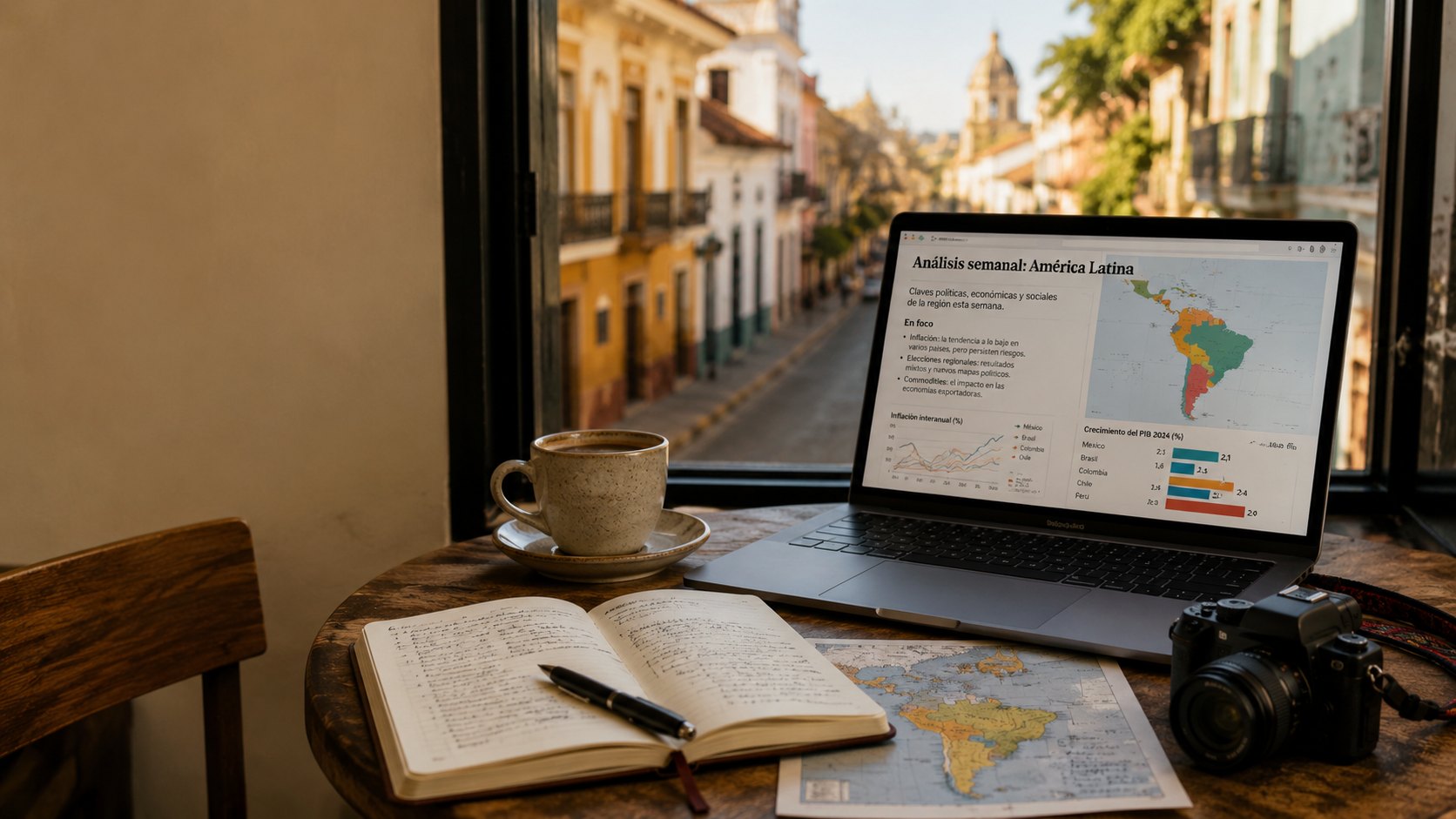
With 96% counted, Sánchez leads Fujimori by about 26,000 votes in Peru’s runoff. As of Friday morning the result was not yet final, with reversal still mathematically possible. Reading a vote map split north and south.
Colombia’s Runoff Is 11 Days Away|What De la Espriella and Cepeda Pose
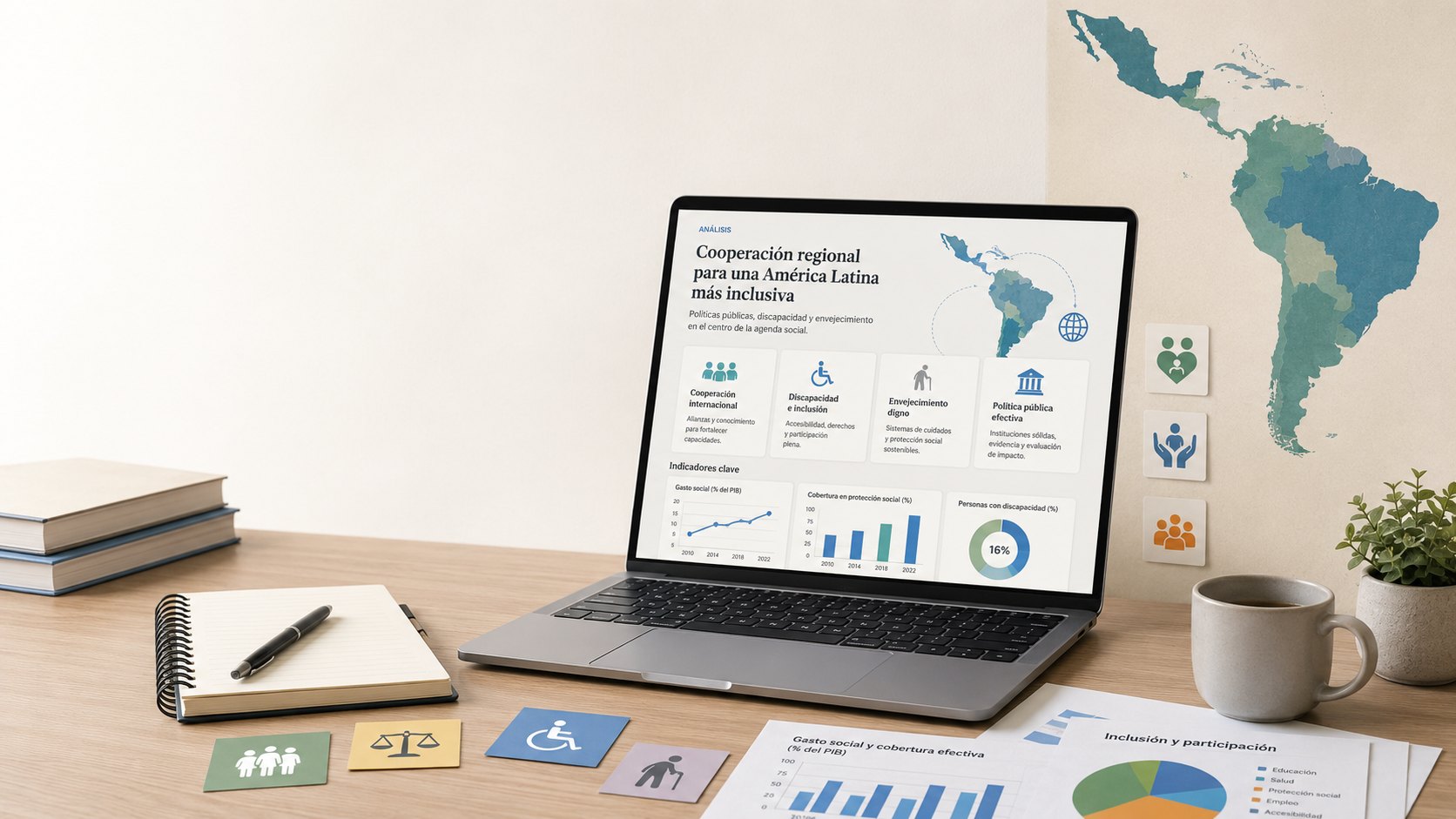
In the May 31 first round, the right-wing De la Espriella took 43.7% and the left-wing Cepeda 40.9%. The 2.8-point gap sets up a June 21 runoff.
Colombia's 2026 Election: Right-Winger De la Espriella Leads into a June 21 Runoff
In the May 31 first round, outsider lawyer Abelardo de la Espriella led with 43.7%, ahead of President Petro's chosen successor Iván Cepeda (40.9%). The two head to a June 21 runoff. What the upset means for health and social-protection reform.

"Brazil's Biggest Bank Fraud" Shakes the Election: The Banco Master Affair
Called one of the largest bank frauds in Brazil's history, the Banco Master affair leaves a R$41 billion hole and more than 1.6 million harmed creditors. The allegations reach both Lula's circle and the Bolsonaro camp, shaking October's presidential race. Is it a new Lava Jato?

Chile Turns to Its Most Right-Wing Government: Kast and the 'Border Shield'
In December 2025 right-winger José Antonio Kast won the runoff with 58% and took office in March 2026. Chile's most right-wing government since the dictatorship runs on a hard line on immigration and security. What the rightward turn means for social policy.
Lula’s Supreme Court Pick Rejected for the First Time in 132 Years: A New Fault Line in Brazilian Politics
On April 29, the Brazilian Senate rejected President Lula’s nominee to fill a Supreme Court (STF) vacancy, 34 in favor to 42 against. It was the first time since 1894 — 132 years — that a nominated justice was blocked by Congress. Ahead of October’s elections, we read what it means that executive-legislative conflict has reached judicial appointments.

Five Months After Maduro: Rodriguez Picks Normalization, Not Transition
On January 3, U.S. forces detained Maduro; two days later Delcy Rodriguez became interim president, the first woman to hold the post. Five months on, the election timeline stays vague. A look at the road Venezuela's Chavista government has chosen.

Where Latin America's Economy Stands: World Bank Sees 2.2% Growth as Argentina Recovers and Mexico Contracts
The World Bank's June outlook puts Latin America and the Caribbean at 2.2% GDP growth for 2026, with Argentina's recovery contrasting Mexico's contraction. High public debt and trade-policy uncertainty are holding back investment. I read it through the lens of social protection and inequality.
Argentina's Economy in 2026: Milei's Inflation Win and Its Underside
Inflation has fallen to 31%, the lowest since 2018, and the budget is in surplus for the first time in 14 years. But some warn the drop in poverty is largely a statistical effect. How austerity lands on social protection.

Honduras Can't Sell Its Shrimp: Three Years After Choosing China
In 2023 Honduras dropped Taiwan for China, expecting a market of 1.4 billion. Instead, over 95 shrimp farms closed and 25,000 jobs disappeared. Exports to Taiwan fell from over $100 million to $16 million. In 2026 a new government is reconsidering.

Bolivia's Economic Crisis: Dollar Shortage, Fuel and Protests
Bolivia faces what's called its worst economic crisis in 40 years. Reserves have collapsed from $15.1bn in 2014 to about $3.1bn; a dollar shortage and fuel crisis hit daily life. Ministers have resigned amid protests demanding President Paz step down. How resource dependence unravels.

Trump’s “25%”|The Logic of the Tariff That Hit Brazil
On June 2, the Trump administration moved to impose a new 25% tariff on Brazilian goods. The stated grounds are “unfair trade practices,” but political anger over the prosecution of former president Bolsonaro hangs over it. The logic where economics meets politics — and the ambivalence of Brazil’s “China exit.”

The 2026 USMCA Review: A Structural Test for Mexican Manufacturing
The first joint review of the US-Mexico-Canada Agreement (USMCA) begins in July. Negotiations over autos, agriculture, and rules of origin are unsettling Mexico's export-driven economy. Here is a fact-based read, with a look at what it means for the supply chains behind assistive devices.
A Contraction Before the World Cup: What Mexico's 0.8% Q1 Drop Signals
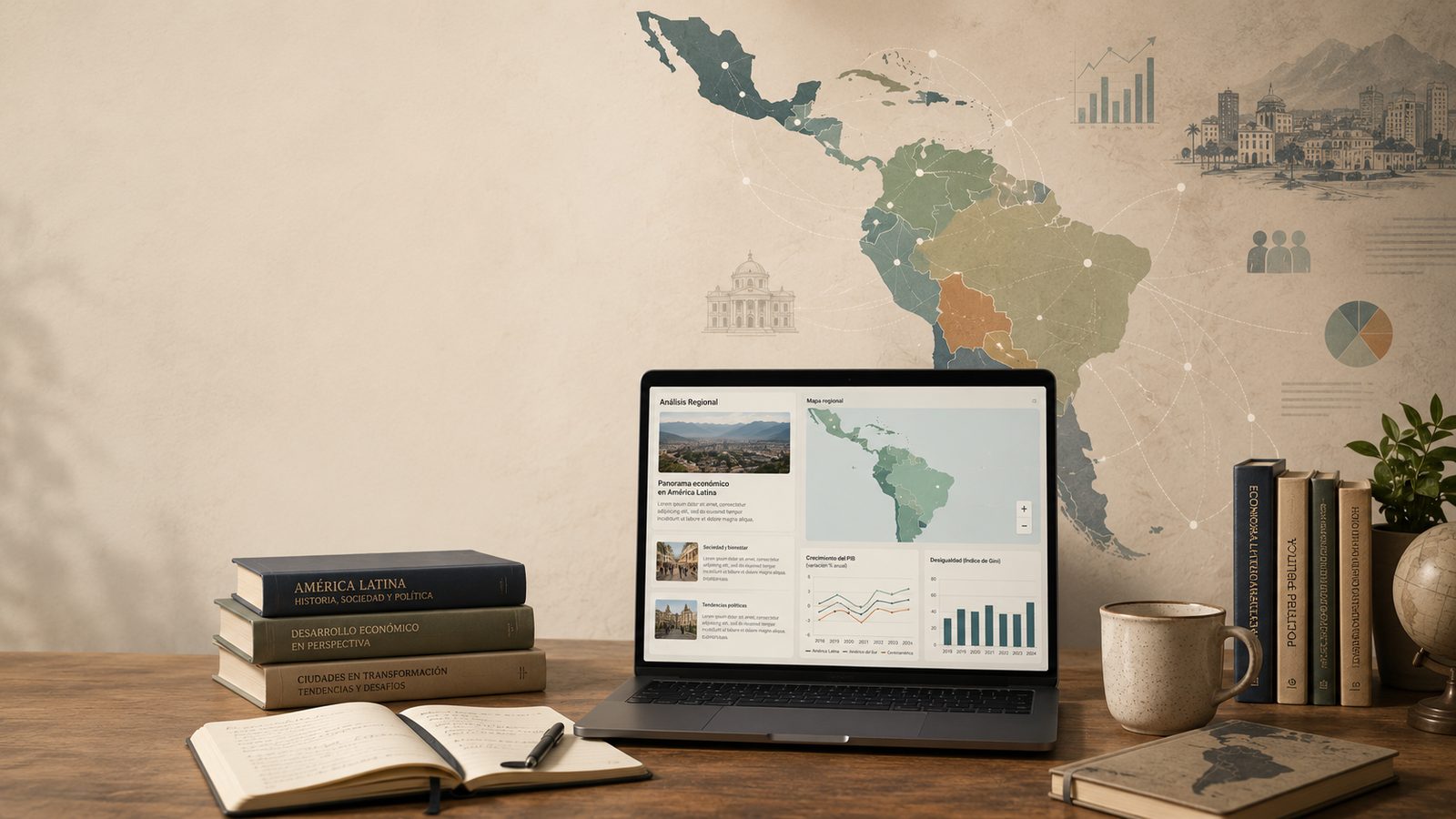
Mexico's Q1 2026 GDP fell 0.8% from the previous quarter — the worst first quarter since 2020. Exports and nearshoring investment hold up, but weak domestic demand casts a shadow. We lay out the test facing Sheinbaum's Plan Mexico.
Banxico Reaches the End of Its Easing Cycle|A Final Cut to 6.50%
On May 7 Mexico’s central bank (Banxico) cut its policy rate by 0.25 point to 6.50%, the lowest since April 2022. A tight 3-to-2 board vote and a signal that the easing cycle begun in March 2024 has effectively ended.
Copper and Gold Lift Peru, While Illegal Mining Spreads
Peru's real GDP grew 3.68% year-on-year in February 2026, nearly a point above the regional average. High copper and gold prices drive the boom, yet those same prices pull in illegal miners eroding Indigenous land and rivers.
Venezuela’s Oil After Maduro: The Reality of the Recovery the Rodriguez Government Is Betting On
Half a year after Maduro’s detention, Venezuela’s oil output has recovered to about 1.1 million barrels a day, with exports to the U.S. reported up some 192% year-on-year. Sanctions relief and higher output by Chevron and others lie behind it. Yet with over 400 political prisoners still held, the recovery rests on shaky ground.
After El Mencho, the CJNG Did Not Shrink
On June 11, as the World Cup opened in Mexico City, five police officers were shot dead in Nahuatzen, Michoacan. Four months after losing its founder, the CJNG keeps pressing deeper into Purepecha self-defense territory. I try to make sense of why festival and violence shared the same day.
"Give Us a Bukele Too": Iron-Fist Security Spreads Across Latin America, and the Wall Ecuador Hit
El Salvador's Bukele-style "iron fist" (mano dura) is reshaping the political language of Latin America. As Chile and Peru clamor to copy it, Ecuador, which adopted it most faithfully, saw crime rise. Here is why the model cannot simply be transplanted.
On the Eve of the Runoff: Armed Groups Shake the Foundation of Colombia's Vote
Ahead of Colombia's June 21 presidential runoff, threats and clashes by armed groups are reported across the country. It is a duel between far right and left, but in rural areas the premise of a vote without violence has broken down. We lay out who is fighting where.
Brazil’s Largest Gangs Labeled Terrorists|What the U.S. Move Asks
On June 5, the U.S. State Department designated Brazil’s two largest criminal organizations, the PCC and Comando Vermelho, as Foreign Terrorist Organizations. It is the first time Brazilian groups appear on the list. The designation’s immediate effects, the Lula government’s pushback, corporate compliance risk, and whether a terror label actually curbs crime on the ground.
Where Being Mayor Has Become One of the Most Dangerous Jobs
Elected mayors are assassinated and town councilors resign under threat from drug groups. ACLED recorded 697 violent incidents against local elected officials across Latin America in 2025, the world's second most dangerous region for them.
Cuba in 2026: A Daily Life Quietly Collapsing
In 2026, Cuba faces blackouts of up to 20 hours a day, more than a thousand protests a month, and the departure of roughly a tenth of its people. A fact-based look at a quiet social collapse, seen from the front line of health and welfare.
Twenty Dead on a Palm Plantation|A Peasant Massacre in Colón, Honduras
On May 21, at least 20 African palm plantation workers were shot dead in Colón, northern Honduras. The attackers wore police uniforms, and behind it lies a long-running land dispute.
Haiti's Fight Against the Gangs: Kenya Withdraws, a New 'Suppression Force' Arrives
More than 11,000 people were killed in gang violence in Haiti between early 2024 and the end of 2025. The Kenya-led security mission withdrew in March 2026, and a new UN-backed Gang Suppression Force takes over. State collapse and the limits of foreign intervention.
Ecuador's Security Crisis in 2026: a Record Homicide Rate and Noboa's 'War'
Ecuador ended 2025 with a record homicide rate of 51 per 100,000 — the worst in Latin America for a third straight year. President Noboa is responding with states of emergency, curfews and joint operations with the US. A look at the hard-line approach.
The U.S. or China?: Why Latin America Refuses the Binary
In December 2025, China released its third policy paper on Latin America. Washington vowed to push back, but Honduras's collapsed shrimp exports and skipped summits show how the region resists a forced choice.
Why the U.S. Can't Push China Out of Latin America
On June 8, Foreign Policy ran an essay arguing the U.S. cannot exclude China from Latin America. Looking at the soybean trade and the region's autonomy, I work through why that is.

U.S. Targets 60 Countries With New Tariffs in the Name of Forced Labor: Ripple Effects Across Latin America
The U.S. Trade Representative has proposed new tariffs on 60 countries under Section 301, citing weak controls over forced-labor imports. Here is why Mexico and Ecuador were named, and what it means for Latin America.
A US Operation in Venezuela Split CARICOM
In January 2026, the US was reported to have carried out a military operation in Venezuela, with Trinidad and Tobago said to have provided facilities. The Caribbean Community, CARICOM, now faces an unprecedented internal rift. I lay out the background and the key questions.
A Report Card for Year Two of Milei: What the IMF's Second Review Shows of Argentina's FX Reform
On May 21, 2026, the IMF completed the second review of Argentina's Extended Fund Facility. Under the roughly $21 billion program, inflation has fallen dramatically, but the pain — eroded pensions and more — is mounting. Ahead of October's midterms, we weigh the reform's staying power.

Guyana v. Venezuela: ICJ Hearings over Essequibo
Essequibo — roughly two-thirds of oil-rich Guyana's landmass — is at the heart of a territorial dispute with Venezuela now before the International Court of Justice. In May 2026 the court held oral hearings; Guyana argued the 1899 boundary remains valid. Oil, sovereignty and international law collide.
The EU–Mercosur Pact Provisionally Takes Effect: The Reality of “One of the World’s Largest Free-Trade Areas”
After more than 20 years of talks, the EU–Mercosur agreement entered provisional application on May 1, 2026. Tariff cuts covering over 90% of trade are now moving between the EU and four countries including Brazil. Three hurdles — environment, agriculture and politics — remain before full entry into force.
The Battle for Panama’s Ports|China Detains 70-Plus Panama-Flagged Ships
Panama’s top court voided Hong Kong-linked CK Hutchison’s port concessions as unconstitutional. China retaliated by detaining Panama-flagged ships, about 70 in March alone. A look at the U.S.-China contest in miniature.
Shield of the Americas|An Anti-Cartel Bloc That Split the Map
On March 7, President Trump gathered leaders from 17 Latin American and Caribbean states to launch the “Shield of the Americas” anti-cartel alliance. Brazil, Mexico and Colombia stayed away.
A Single Cable Lays Bare Geopolitics|China’s Undersea Line Shakes Chile
In March, a single undersea cable took over Chile’s political transition. Over a planned Hong Kong–Valparaíso fiber line by a Chinese state firm, the U.S. revoked Chilean officials’ visas and the outgoing-incoming presidents’ handover talk collapsed in just 22 minutes. A look at how an export-dependent small state is forced to choose “China or the U.S.”
Trump and Latin America in 2026: Tariffs, Venezuela, the Panama Canal
Tariffs, the capture of Venezuela's Maduro, and the threat to 'take back' the Panama Canal — in 2026 the Trump administration's Latin America policy is shaking the region. A look at power-first diplomacy.
Chile's Wetlands Are Drying: AI Data Centers Meet a 15-Year Megadrought
The Quilicura wetland north of Santiago hosts 33 data centers, with 34 more planned. Groundwater drawn for cooling, combined with a megadrought lasting over 15 years, is visibly drying a wetland that once drew flocks of waterbirds.

El Nino Closes In on the Amazon: Why "Weak" Still Means Dangerous Drought and Fire
The Amazon Cooperation Treaty Organization (OTCA) named El Nino the top climate risk for 2026. NOAA puts its formation odds at 61% for May-July. Even a weak-to-moderate event, on dried-out land, can turn a small spark into a large fire.
What Happens to the Amazon If Satellites Are Silenced? Brazil's Monitoring Limits Bill
Brazil's Congress has passed a bill that would limit the satellite-based system used to police illegal logging in the Amazon. Requiring on-the-ground checks would slow every response, and trees fall in the meantime. A look from the angle of governance and open information as President Lula weighs his signature.
75 Million Dollars for an Unpaved Road Across the Amazon|The Contradiction in the BR-319 Plan
On May 27 Brazil announced it would invest 75 million dollars to upgrade BR-319, the highway that cuts across the Amazon. It unveiled a conservation plan too, but environmental groups are skeptical. A look at Brazil’s contradiction ahead of COP30.
The Andean Glaciers Are Melting, and the Water of 90 Million People Is at Risk: What the WMO Reveals About Latin America's Climate
A May 2026 report from the World Meteorological Organization warns that Andean glaciers are shrinking by roughly one meter a year, threatening the water of 90 million people. I read it through the lens of water, public health, and vulnerable communities.
The Forest That Breaks at 1.5C: Amazon's Tipping Point Just Dropped
The Amazon was thought to tip into irreversible change at 3.7-4C of warming. A May study in Nature rewrites that: with heavy logging, the threshold falls to 1.5-1.9C, right inside the Paris Agreement's target range.
Mining Claims Ring 278 Indigenous Territories: The Contradiction in Brazil’s Critical-Minerals Rush
As of April 2026, 2,055 critical-mineral mining claims overlap with Brazil’s Indigenous territories or fall within 10 km of their borders, touching 278 areas — 44% of the total. We lay out how the pressure of the green transition for lithium and niobium is closing in on Indigenous land.
The Lithium Triangle in 2026: the Vein of Decarbonization and Its Cost
The lithium triangle of Argentina, Bolivia and Chile is the prize in a global scramble for the mineral of the decarbonization age. In Chile, Codelco and SQM launched a joint venture to 2060, even as fractures appear among Indigenous communities around the salt flats. Resources, environment and rights collide.
Ecuador’s Mining-Law Reform|The Gamble of “Simplifying” Environmental Licensing
On February 26, Ecuador’s National Assembly passed a law to strengthen the mining sector by a narrow 77–70 vote. It replaces environmental licensing with a “simplified authorization,” drawing protest from environmental and Indigenous groups. Against the backdrop of an IMF arrangement, a look at where foreign-investment drive collides with environmental protection.
COP30 and the Amazon's Aftermath: Leaders Spoke, Congress Loosened the Guardrails
In November 2025, the first climate summit held in the Amazon, COP30, closed with no roadmap to end deforestation and no fossil-fuel phaseout in the final text. Days later, Brazil's Congress weakened Amazon protections. The gap between ideals and reality.
PAHO's 178th Executive Committee Maps 2026–2031 Health Priorities: Antimicrobial Resistance, Arboviruses, and Financial Strain
The Pan American Health Organization opened its 178th Executive Committee session, debating major strategies on antimicrobial resistance and arboviral disease even as a cut of 220 posts casts a financial shadow over the Americas' health agenda.
Ten Years After Elimination, Measles Tops 21,000 in the Americas
More than 21,000 measles cases have been confirmed across the Americas in 2026. Per PAHO, Mexico and Guatemala alone account for roughly 83% of them. From a 78% unvaccinated rate to pre-World Cup travel advice, here is what is actually happening.
Zero Cases, Yet the Americas Moved: Why PAHO Got Ahead of Ebola
With Ebola spreading in Africa, the Pan American Health Organization moved in June to strengthen preparedness across the entire region, even though the local risk is rated low. Here is the logic behind acting before a single case appears.
PAHO’s Own Budget Cut by 19%: When the Supporter Shrinks, What Happens to Health in Latin America?
On June 3, PAHO Director Barbosa presented the 2025 Annual Report to the OAS. Behind the upbeat achievements sat one number: PAHO’s own budget will be cut 19% over the next two years. We weigh what this “double withdrawal,” overlapping with USAID’s exit, asks of health in the region from a disability and social-security view.
When Outside Funding Disappears|The Question USAID’s Retreat Poses to Latin American Public-Health Research
In 2025 USAID terminated more than 5,300 grants and contracts, with some 27 billion dollars in funding lost. Drawing on a Lancet commentary, a look at the structural dependence of Latin American public-health research and the question it now faces.
Colombia's Health System on the Brink: the EPS Crisis and a June 20 Deadline
Colombia's health system is buckling: 15 of the 28 EPS insurers are effectively insolvent, covering over 30 million people, and a reform bill expires on June 20. What it means for people with disabilities who depend on the system for ongoing rehab and assistive devices.
Behind 13,000 Reported Cases: Oropouche Fever Spreads in South America, and the Risk Turns to Pregnant Women
The 2023-24 Oropouche fever outbreak in South America was estimated at about 9.4 million infections against just 13,000 confirmed cases (Nature Medicine). Vertical transmission from mother to fetus, and the risk of congenital disability, are the new focus.
Twenty Years After the Convention: A New PAHO–ECLAC Report on the Health Gap for Persons with Disabilities in Latin America
In April 2026, marking twenty years of the CRPD, PAHO, ECLAC and RIADIS released a joint report. Written by an author specializing in assistive-device funding policy, this piece unpacks the barriers in routine and emergency care, the absence of comparable data, and the country-by-country gaps in access to assistive devices.
Two Directions for Disability Pensions in Latin America: Argentina's Rollback vs. Mexico's Rights Guarantee
In 2026, income support for people with disabilities in Latin America is moving in opposite directions: Argentina is tightening its non-contributory disability pension, while Mexico is strengthening rights guarantees. A look from a disability-policy perspective.

Eight Million Who Need Care|PAHO on Latin America’s Care Gap
The Pan American Health Organization (PAHO) released policy briefs on long-term care in Latin America and the Caribbean. About 14.4% of people over 65 — some 8 million — need daily support, and women provide roughly 70% of it unpaid. A look at a family-dependent care model reaching its structural limits.
Dengue in the Americas: What Remains After a Record Outbreak
The Americas recorded a record ~13 million dengue cases in 2024, and 4.4 million-plus cases with 2,207 deaths in 2025. Cases fell sharply in 2026, but all four serotypes circulate and climate change widens the mosquito's range. The wave, and health-system preparedness, seen through a disability-policy lens.
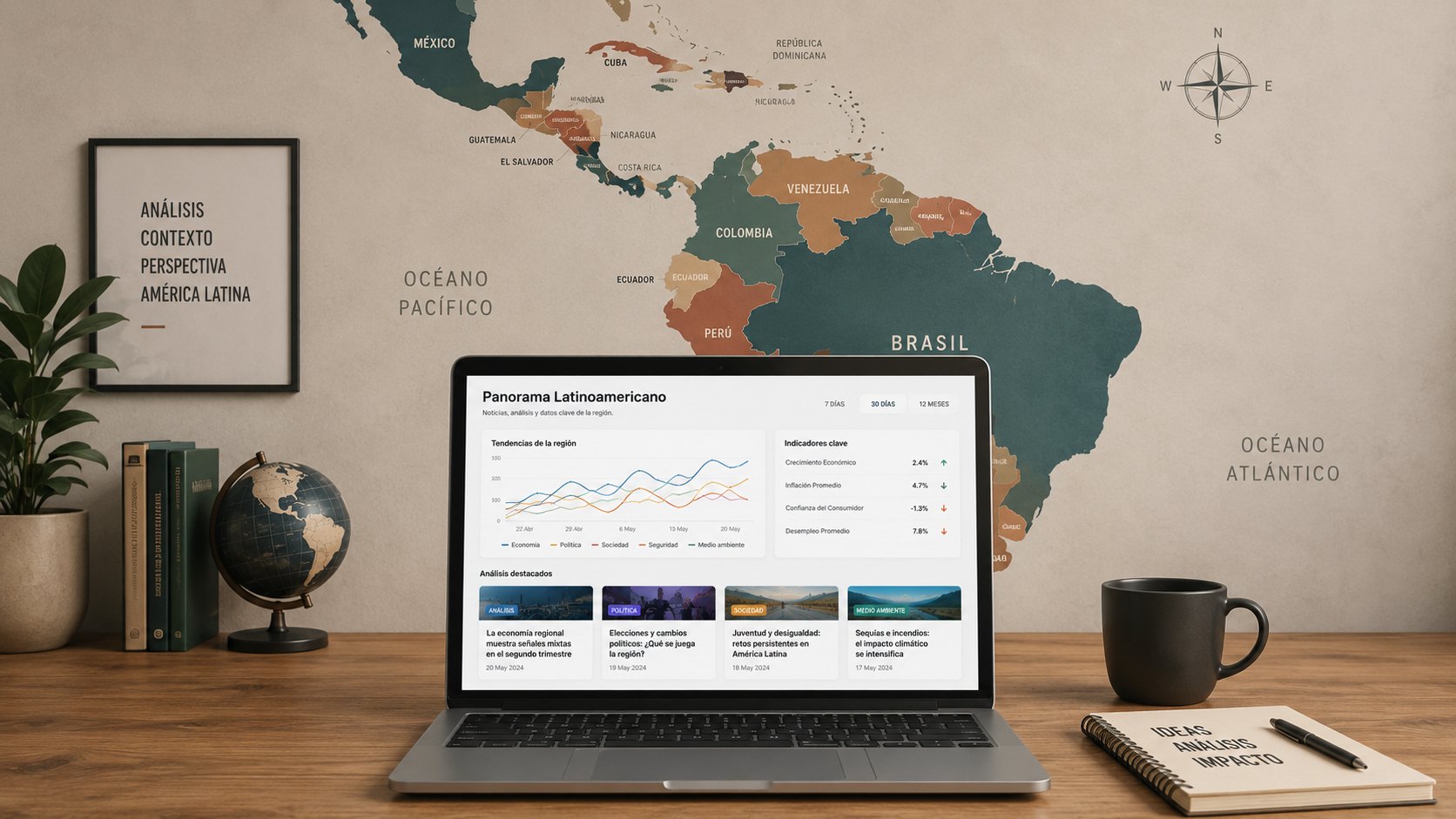
Beyond a Collapsed Health System|Venezuela’s Political Transition and the Question of Health
After a US operation detained Maduro and placed Venezuela under outside rule, The Lancet asks whether a forced political transition can rebuild a collapsed health system.
How National Care Systems Were Born: The CEPAL–Uruguay–Institutions Lineage
Latin America's national care systems weren't invented by anyone. Feminist economics made unpaid care visible, CEPAL grew it into a regional agenda, Uruguay legislated it first, and the IDB and PAHO drove it — a two-decade lineage.
Making Care the State's Job: From Uruguay, Chile, and Bogotá
Making care a job of the state takes more than one shape: national laws in Uruguay and Chile, and a web of neighborhood care hubs in Bogotá. A look at three Latin American frontrunners.
What Is a "National Care System"? Latin America's Redesign of Care
Across Latin America, the work of caring for children, older people and people with disabilities is being lifted from families — mostly women, unpaid — into state-backed care systems. A look at CEPAL's "caring society" paradigm and what it means.
The 48-Team Era Begins: Highs and Lows for Latin America|Reading Matchday 1 of World Cup 2026
World Cup 2026 has kicked off with 48 teams for the first time. After Matchday 1, only Argentina and Colombia won among the South Americans, host Mexico booked its place with two straight wins, and small Caribbean nations reached a historic first stage. A snapshot as of June 19, 2026 (end of Matchday 1).
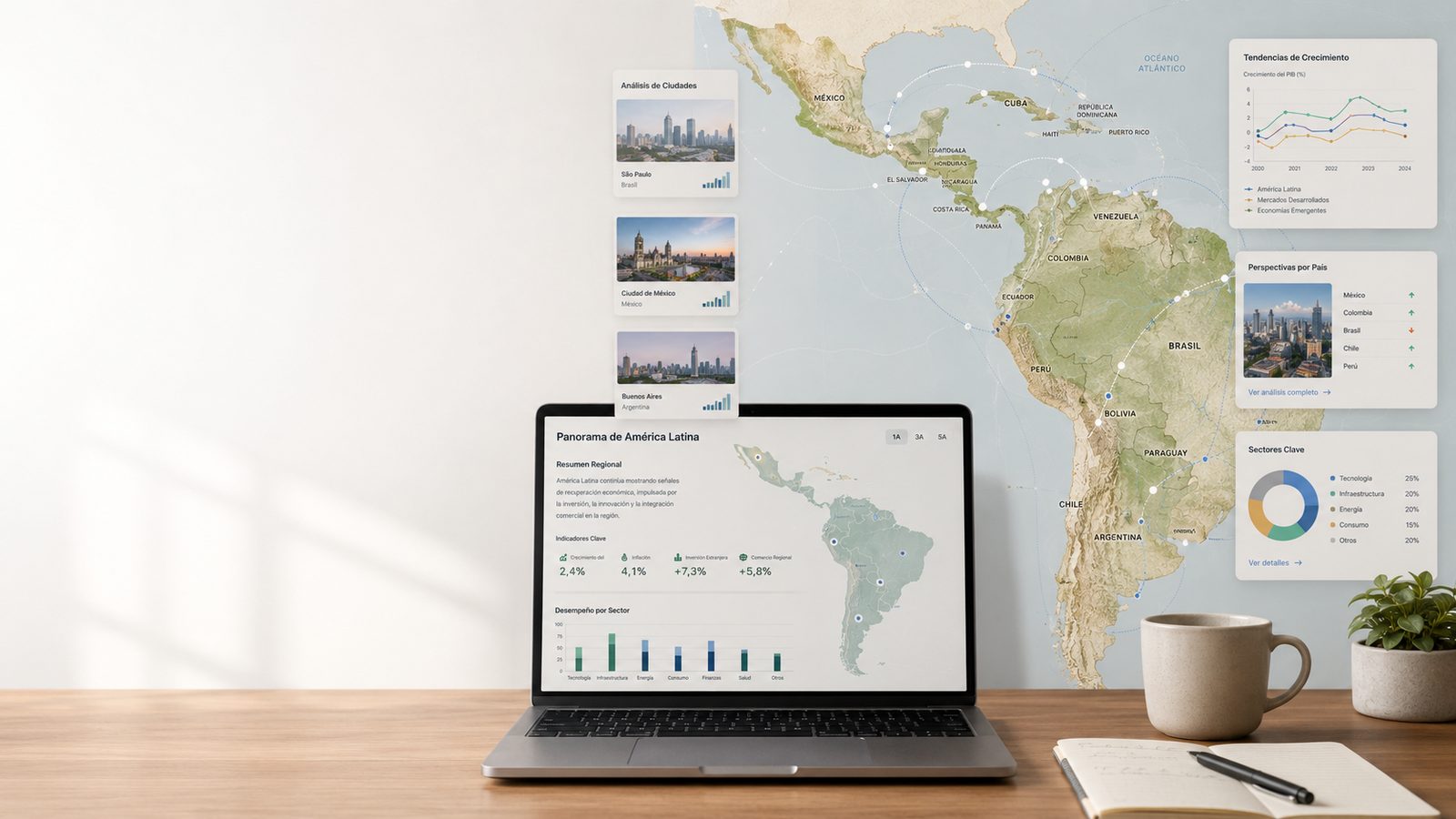
The Andean Festival of the Sun, June 24: Cusco’s Inti Raymi and a Six-Nation Tie-Up
On June 24, Cusco, Peru holds Inti Raymi, the Festival of the Sun. The large-scale re-enactment of an Inca rite draws over 100,000 people each year, and this year six countries, Peru included, jointly promote it as Andean cultural tourism. We also weigh the question between tourism and Indigenous culture.
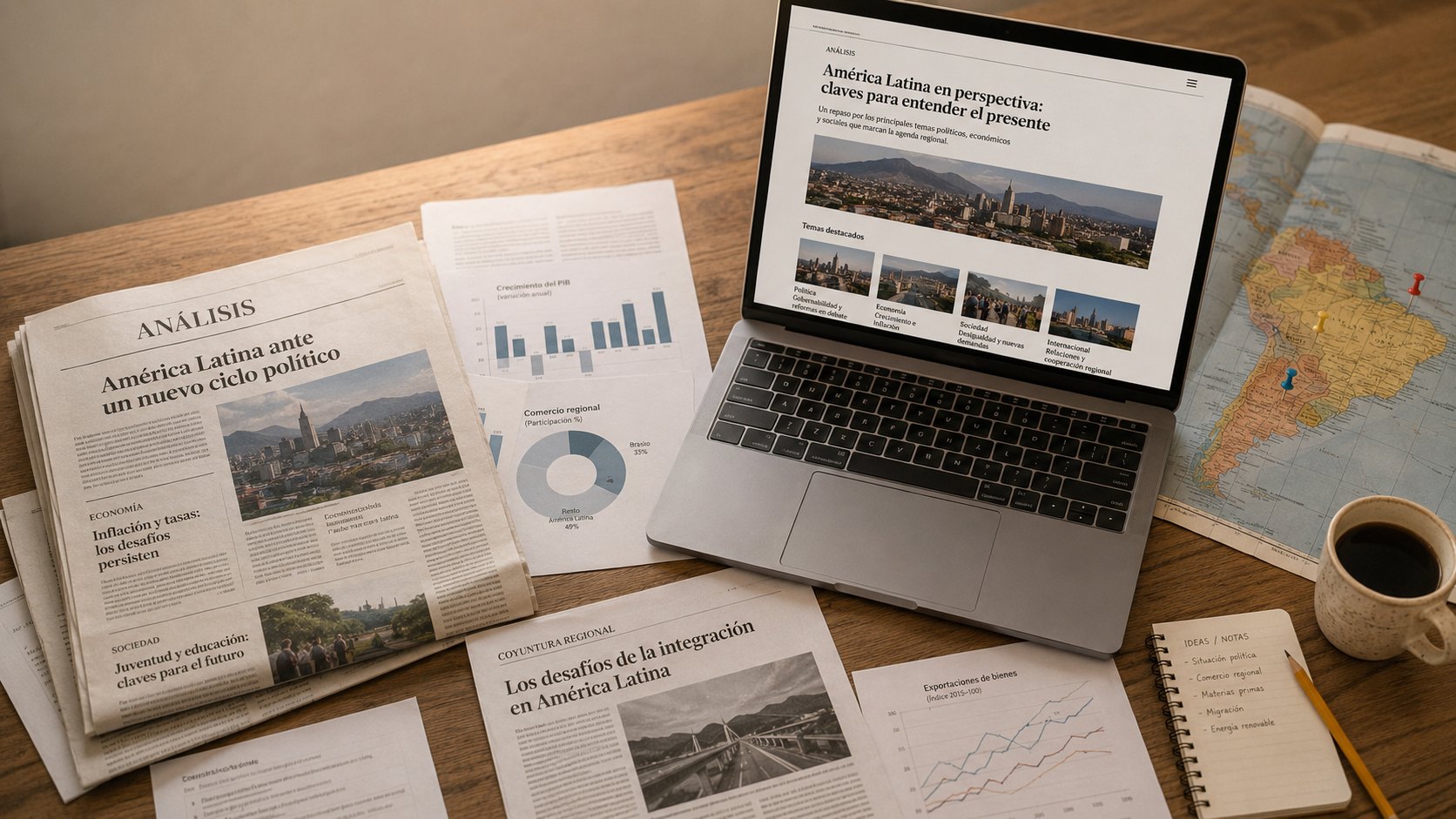
The Night the World Was Greeted in Mixtec: Indigenous Culture at the 2026 World Cup Opening
At the 2026 World Cup opening ceremony, Oaxaca-born singer Lila Downs welcomed the world in three languages: Spanish, English and Mixtec. I look at what it means for an Indigenous language to ring out on a global stage, and at the debate over who gains from the spectacle.
Messi's Last World Cup: One More Dream for Latin America Before He Leaves the Pitch
The 2026 World Cup has opened across three North American host nations. For the 38-year-old Messi, it is likely his last. Latin America and the Caribbean send a record 10 teams. We look at what football carries amid hard economic times.
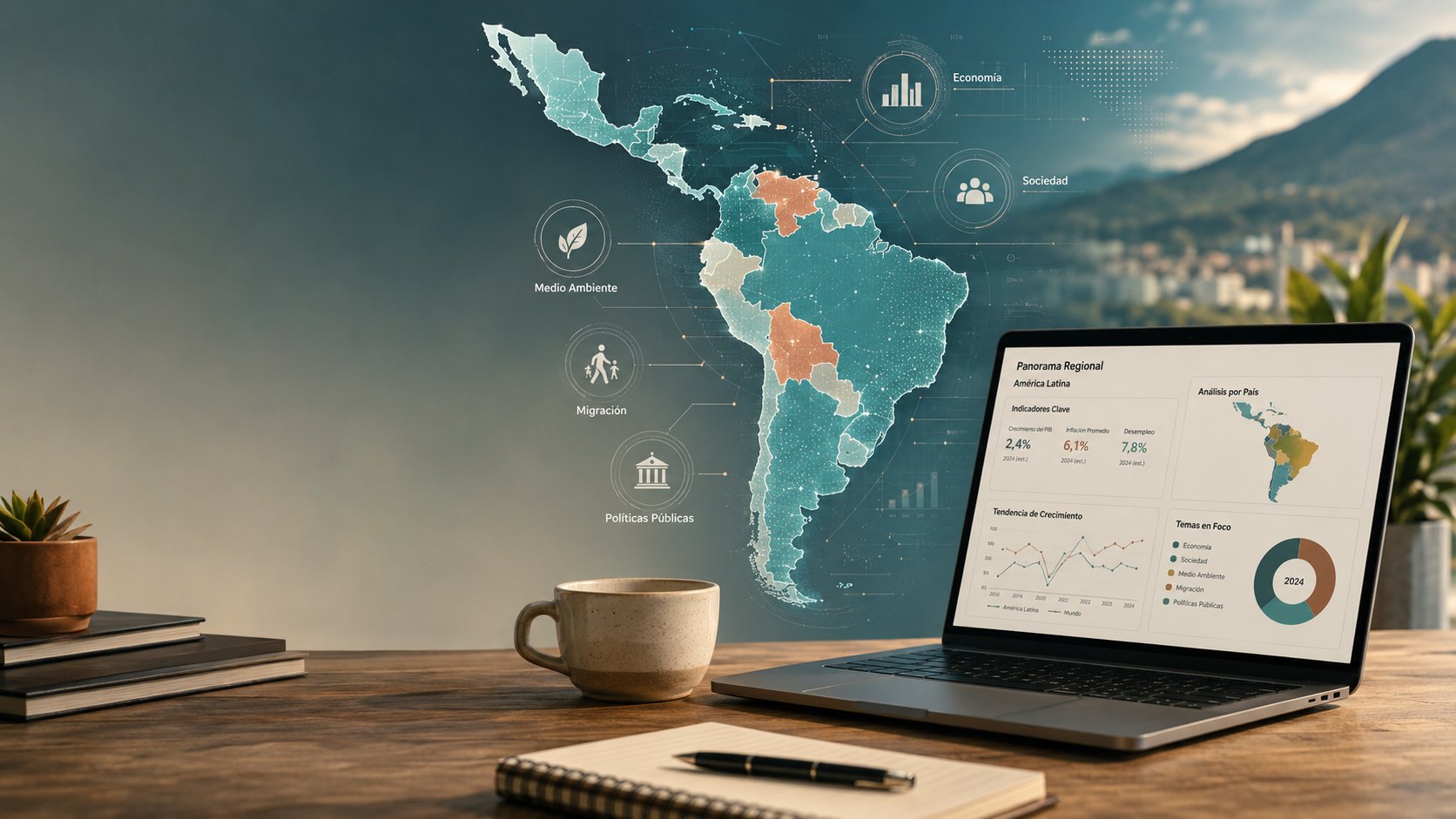
From a Stadium Lost to Gangs|Haiti Returns to the World Cup After 52 Years
Haiti will play at the 2026 FIFA World Cup, which opens June 11, for the first time since 1974. The team played every qualifier abroad, its home stadium still controlled by armed gangs.
The Night Forró Was Honored: The 33rd Brazilian Music Awards and a Tribute to Cazuza
In June 2026, the 33rd Brazilian Music Awards took place at Rio's historic theater, where young Northeastern singer João Gomes swept the night. Alongside a tribute to the late Cazuza, the ceremony revealed a music market split into niches.
Medellin's Tango Festival Turns 20: The Bond Gardel's Death Forged
From June 8 to 14, Colombia's second city Medellin is hosting its 20th International Tango Festival, with more than 40 mostly free events filling the streets. It all traces back to singer Carlos Gardel, who died here in 1935.
Mexico for the Third Time|The 2026 World Cup and the Distance Between Festival and Reality
The 2026 FIFA World Cup opens on June 11 in Mexico City. Mexico becomes the first country ever to host three times (1970, 1986, 2026). The opening-ceremony lineup, what a “third time” means, and the gap between festival mode and everyday city life — read against Latin America today.
Brazil’s June Belongs to São João|3.5 Million in Campina Grande
June in Brazil means the Festas Juninas. Campina Grande’s “world’s largest São João” opens June 5 and runs 33 days. A look at 3.52 million visitors, the sound of forró, and a 2026 June that overlaps with the World Cup.
The Night Bad Bunny Painted the Super Bowl in Spanish
In February 2026, Puerto Rico's Bad Bunny headlined the Super Bowl halftime show — the first Latino solo headliner, an almost entirely Spanish-language set, 128.2 million viewers. Why those 15 minutes were a cultural event, seen from someone learning Spanish.

Lima's Maido, the World's Best: Where Japan and Peru Meet
Maido, a Nikkei restaurant in Lima, Peru, was named the World's Best Restaurant 2025. Nikkei cuisine — Japanese technique meeting Peruvian ingredients — is a food culture born of migration. The meaning of this dish that connects Japan and Latin America.